Blog

  • Educational Resources

    Educational Resources

    Curious about Indigenous History Month, or just about Indigenous history and culture in general, but unsure of where to start?

    True North Aid believes in making educational resources as accessible as possible. We are always learning.

    From e-books on terminology, to ways to get involved and start your own campaign to make a difference, this page offers many different resources on how to listen, learn, and be a better ally and advocate of Canada’s Indigenous, Métis, and Inuit communities.

    Clicking the images will open the PDF in a separate tab for you to look through, download, and share.

    These resources are approved to share with permission from Bob Joseph, founder of Indigenous Corporate Training Inc., and we encourage everyone to download and share these PDFs as well.

    For more information and additional resources from Indigenous Corporate Training Inc., head here!

    Donate this Indigenous History Month

  • Indigenous Peoples Day Events 2026

    Indigenous Peoples Day Events 2026

    Central Canada

    Montreal, QC

    POP Montreal Music – National Indigenous Peoples Day

    Date: June 21, 2026 – 3pm Show
    Location: Cabot Square, Montreal

    POP Montreal, Nakuset & The Native Women’s Shelter of Montreal / Resilience Montreal present:

    The Hello Crows
    Linda Saddleback & Willie Thrasher
    Leonard Sumner
    Kris Kinokewin
    Manitou Singers
    Sinquah Family Hoop Dancers
    Elder Ka’nahsohon Kevin Deer

    Click here to find out more

    Ontario

    Ottawa, ON

    Summer Solstice Indigenous Festival & Competition Pow Wow

    Date: June 20-21, 2026

    Location: Wesley Clover Parks, 401 Corkstown Road, Ottawa

    Experience the rich Indigenous culture of the National Capital Region and celebrate National Indigenous Peoples Day! This family-oriented, multi-disciplinary arts festival attracts over 40,000 visitors a year.

    With the full participation of First Nations, Métis and Inuit artists, the diversity of cultures is reflected in all elements of the event.

    Click here to find out more

    Toronto, ON

    Indigenous Celebration 2026 at Brickworks

    Date: June 6, 2026

    Join us for this free, family-friendly event celebrating Indigenous ways of knowing through interactive workshops, performances and activities.

    Click here to find out more

    Na-Me-Res Pow Wow and Arts Festival 2026

    Date: June 13, 2026

    Location: Dufferin Grove Park

    Join us for the 2026 Na-Me-Res Pow Wow!

    Taking place ahead of National Indigenous Peoples Day this free, family-friendly event welcomes everyone to experience the vibrant traditions of Indigenous culture. Enjoy drumming, dancing, and singing, browse craft and food vendors, and connect with community booths.

    Click here to find out more

    Toronto, ON

    National Indigenous Peoples Day & Sunrise Ceremony

    Date: June 21, 2026

    Location: Toronto City Hall, Bay & Queen Street, Toronto, ON

    The City of Toronto marks this day with a ceremony held around a Sacred Fire with elements of cultural significance for Indigenous Peoples, such as strawberries, water and the four sacred medicines. Grandmother Kim Wheatley and Elder Pat Floody will share their rich and vibrant cultures and traditions to mark the summer solstice, and to welcome Grandfather Sun.

    The public is encouraged to attend the ceremony and feast.

    Click here to find out more

    Quebec

    Quebec City, QC

    The Grand KWE! Show: National Indigenous Day 

    Date: June 21, 2026
    Locations: Place George-V
    Great celebration featuring music artists from First Nations and Inuit in Quebec.

    Celebrate National Indigenous Peoples Day at The Grand KWE! Show, a free and open-to-all cultural event highlighting the richness of Indigenous artistry and tradition. Throughout the day, enjoy Pow Wow drumming and dancing, live performances by talented Indigenous musicians, and creative showcases including the unveiling of a collective art piece. The evening features artists such as Joseph Sarenhes, Ivan Boivin-Flamand, Violent Ground, and SHAUIT, alongside the live performance of the KWE! theme song. This is a unique opportunity to engage with Indigenous culture in an immersive and vibrant setting.

    Click here to find out more

    Western Canada

    Manitoba

    Winnipeg

    Circles for Reconciliation’s 4th Annual Celebration and Barbecue

    Circles for Reconciliation warmly invites you to a vibrant day of celebration in honour of National Indigenous Peoples Day. Join us as we gather to uplift Indigenous cultures, histories, and futures through food, fun, and meaningful exchange.

    Date: Friday, June 19, 2026
    Time: 11:00 a.m. – 2:30 p.m.
    Location: Kildonan Park, Winnipeg

    For More Information: https://circlesforreconciliation.ca/ 

    National Indigenous Peoples Day – Bent Arrow

    Date: June 25, 2026, 9am-2pm
    Location: 11648 85 Street, Edmonton

    All are welcome to join us from 9 AM – 2 PM at our Parkdale location to partake in an event full of celebrating Indigenous Culture.

    From powwow dancing, vendor tables, and a BBQ lunch, there’ll be a lot to see and do.

    Click here to find out more

    Alberta

    Edmonton

    National Indigenous Peoples Day: TELUS World of Science Edmonton
    Date: June 21, 2026
    Location: TELUS World of Science, Edmonton, AB

    Celebrate National Indigenous Peoples Day with IAM Collective at TELUS World of Science Edmonton.

    Visitors are encouraged to stop by, say tansi, and support Indigenous creativity and culture.


    Click here to find out more

    Vancouver, BC

    National Indigenous Peoples Day Celebrations 
    Date:  June 21, 2026

    There are many events outlined here:

    Click here to find out more

    British Columbia

    Victoria, BC

    National Indigenous Peoples Day – Royal Roads University
    Date: June 19, 2026, 10am – 3pm
    Location: Royal Roads University, Vancouver Island, BC

    Partners and co-hosts from across the region invite you to join us to honour National Indigenous Peoples Month throughout June and for a National Indigenous Peoples Day celebration event Friday, June 19, 2026.

    Offers free admission, as well as an abundance of activities including Canoe Landing Protocol Practice, Indigenous artists and vendors, live performances, food trucks, and more!

    Click here to find out more

    Saskatoon, SK

    National Indigenous Peoples Day – Rock Your Roots Walk
    Date: June 19, 2026
    Location: Victoria Park, Saskatoon

    The City of Saskatoon, in its role as Co-Chair of Reconciliation Saskatoon, helps organize the annual Rock Your Roots Walk for Reconciliation.

    The significance of a walk can be attributed to the Sunday walks in residential schools; often the only time when siblings and cousins might be reunited.

    Walkers are encouraged to wear an Every Child Matters orange shirt. Cultural performers from our community ‘rock their roots’ along the route to show their support and celebrate Saskatoon’s incredible diversity.

    Click here to find out more

    Saskatchewan

    Regina, SK

    Multicultural Council of Saskatechewan

    Various Events

    City of Regina: Click here to find out more

    Northern Canada

    Yukon

    Whitehorse

    National Indigenous Peoples Day 

    Date: June 21, 2026

    Location: Kwanlin Dün Cultural Centre, 1171 Front Street, Whitehorse, Yukon

    Join us for a full day of performances, workshops, artist demonstrations, giveaway prizes, food, community celebration, and more — all leading up to an unforgettable headline performance.

    Click here to find out more

    Yellowknife

    Celebrate National Indigenous Peoples Day 2026

    Date: June 21, 2026

    Location: Yellowknife

    Various Activities:

    Click here to find out more

    Eastern Canada

    Nova Scotia

    Halifax, NS

    Follow this page for upcoming events: Click here to find out more

    New Brunswick

    Fredericton, NB

    National Indigenous Peoples Day – Officers’ Square, Fredericton
    Date: June 19-21, 2026
    Locations: Sitansisk (St. Mary’s First Nation) Annual Powwow 2026 510 Union Street, St. Mary’s

    Come hear the drum beat of Mother Earth on June 19, 20, & 21 2026 at St Mary’s Old Reserve (510 Union Street) and listen to the voices of the ancestors of the Wolastoqiyik (Maliseet) people as they share their culture through music, dance and traditional ceremonies.

    Click here to find out more

    Prince Edward Island

    Charlottetown, PEI

    National Indigenous Peoples Day – Confederation Landing Park
    Date: June 21, 2026 (11am)
    Location: Confederation Landing Park, 2 Great George Street, Charlottetown, PE

    Join us June 21st in Charlottetown for National Indigenous Peoples Day!

    Events include traditional drumming and dancing, craft vendors, and a free BBQ!

    Click here to find out more

    Newfoundland & Labrador

    St. John’s, NL

    National Indigenous Peoples Day – Bannerman Park, St. John’s
    Date: June 19-21, 2026

    Experience the beauty of Indigenous culture through music, dance, art, and storytelling in a day full of connection and community.

    Click here to find out more

  • History of Residential Schools

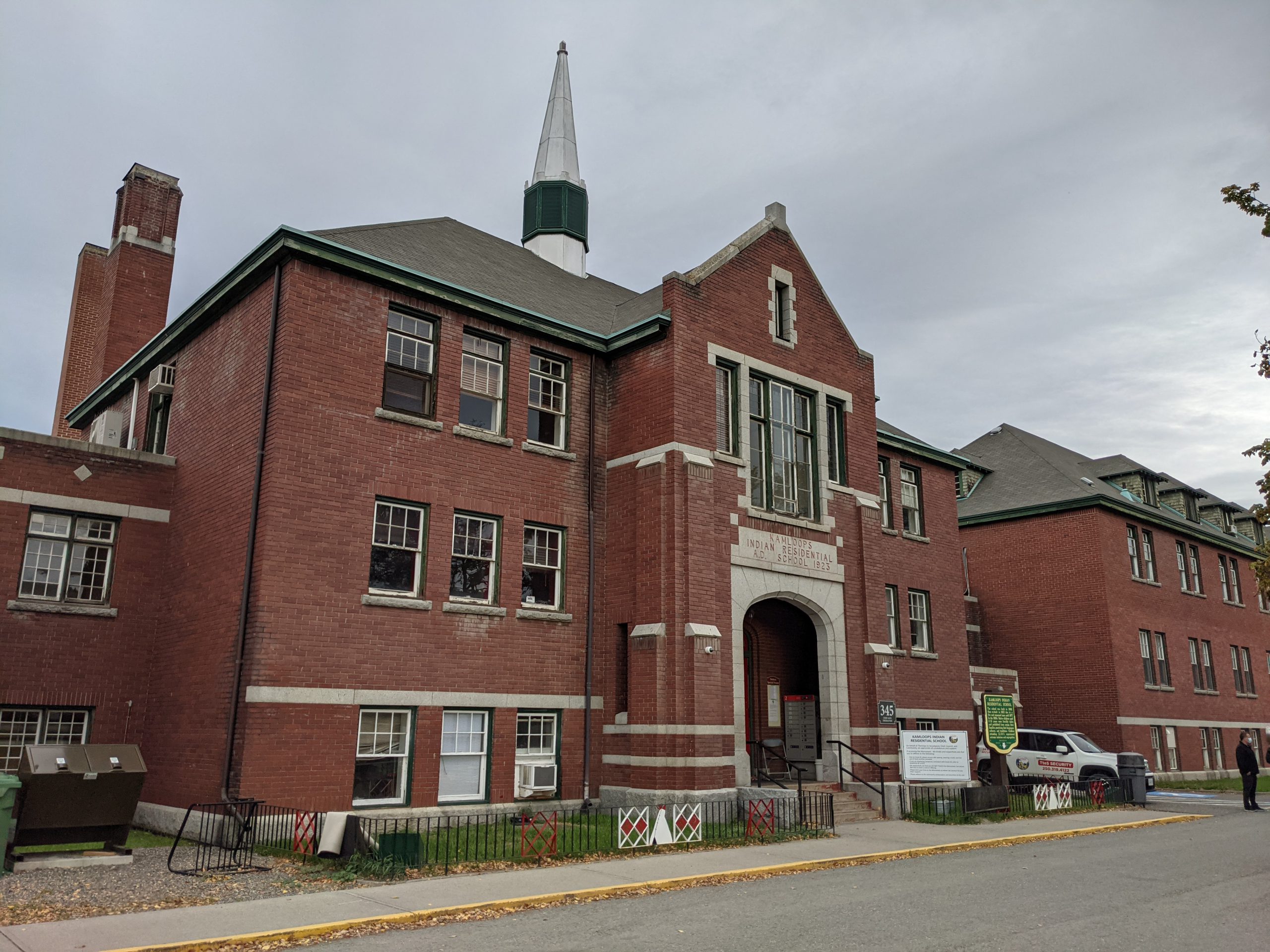
    History of Residential Schools

    “Today’s apology is a step forward in acknowledging the truth of our past. We cannot separate the legacy of the residential school system from the institutions that created, maintained, and operated it, including the Government of Canada and the Catholic Church.”

    Prime Minister Justin Trudeau, 2022

    Doctrine of Discovery/Terra Nullius

    The Doctrine of Discovery and the doctrine of Terra Nullius justified a colonial empire’s forced control over Indigenous land across the globe. British, Dutch, French, Portuguese and Spanish empires have colonized 80% of the world’s countries.

    The Doctrine of Discovery stems from a series of Papal Bulls (formal statements from the Pope) and extensions, originating in the 1400s during the “Age of Discovery”.

    The Doctrine of Discovery gave moral and legal right for Christian governments to invade and seize (claim sovereignty) over Indigenous peoples and land by holding that Indigenous peoples cannot claim ownership of land.

    Terra Nullius (empty land) finds its legal root in eighteenth century European law.

    This was a theological and legal doctrine that allowed Christian European governments to justify and assume sovereignty over ‘discovered’ lands throughout the sixteenth to twentieth centuries. These lands were deemed devoid of human beings if the original people living there were not ruled by a Christian prince.

    European colonization leaves a harmful legacy upon Indigenous peoples across the world, including Canada.

    The French Crown and New France

    Colonization of Indigenous education in Canada dates back to the 17th century when French missionaries worked in tandem with the French Crown to convert and assimilate First Nations children under the guise of education. The Récollets were the first religious order to operate a boarding school for Indigenous students at their mission Notre-Dame-des-Anges, near the Quebec settlement in 1620. 

    New France’s determination to grow their population was rooted in their relationship with various Indigenous nations, including the Wendat, Innu and Algonquin. In fact, there was a calculated effort to merge French and Indigenous allies through marriage and the procreation of children. Samuel de Champlain is quoted as saying, “our young men will marry your daughters, and we shall be one people (alors nos garçons se marieront à vos filles, & nous ne ferons plus qu’un seul peuple).” Whether through marriage or education, France’s colonial strategy to assimilate Indigenous people through culture, religion, and marriage was known as “Frenchification.” 

    The French viewed Indigenous people as allies, reliant upon Indigenous teaching and tradition for survival. Therefore, missionaries employed a more relaxed approach in teaching Indigenous children, often accommodating Indigenous families’ seasonal hunts and offering traditional foods within the school. Despite this seemingly amicable, surface level observation of the French relationship with Indigenous people, French missionary boarding schools were the catalyst for the Indian Residential School system in Canada.

    The British Crown and The Establishment of Residential Schools in Canada

    Canada is a vast and varied landscape, rich in resources that have long been sought after by European powers. The extraction of resources and the desire to colonize by claiming ownership of land underpinned the racist ideologies and laws that lead to the displacement of Indigenous people in Canada. The establishment of the residential school system in Canada is perhaps the most notorious form of displacement established by the government.

    Between 1846 and 1883, many central figures to Canada’s unification agreed that the assimilation of Indigenous people would find success in the formal education of Indigenous children. These central figures include Charles Bagot, Egerton Ryerson, John. A MacDonald, Nicholas Flood Davin and Duncan Campbell Scott, representing the dominant global majority: white, Christian men with allegiance to the British Crown influenced a political agenda which determined to assimilate Indigenous children through education. Both politicians and professionals were commissioned to report on the state of Indigenous affairs, behaviours and governance as early as 1844 (The Bagot Commission). Egerton Ryerson’s report (The Ryerson Report) elaborated on Charles Bagot’s only one year later. The Gradual Civilization Act followed (1857), laying the foundation for the creation of the Indian Act in 1876. (Lavallée, 2010).

    Britain knew that establishing colonial permanency would require extreme measures by which to acquire land and resources; and their success would come at an extreme cost to Indigenous traditions and livelihoods. Pre-Confederation colonists therefore used their faith to determine Canada a sovereign nation, charging that Indigenous people were in need of ‘saving’. (Sellers, 2017). This disingenuine excuse was merely an opportunity to build the psyche of colonists and look for ways to assert Britain’s rule, ultimately justifying the removal of Indigenous people from their land onto reserves and into residential schools in order to access space and resources.

    At the request of Prime Minister Sir John A. Macdonald, Nicholas Flood Davin visited Indigenous boarding schools in the United States, following up with a report called The Report on Industrial Schools for Indians and Half-Breeds in 1879. Impressed by the American funding method of these schools, Davin recommended that Canada’s federal government do the same: while the operation of the schools would be downloaded to various Christian denominations, the federal government would commit to funding per student. 

    The first 3 federally funded schools were established on the prairies in 1883. 

    In 1884 Sir John A Macdonald amended the Indian Act that allowed Indigenous children to be taken by force. 

    Children were removed from their families and communities and placed into residential schools with little to no oversight. They were forced to participate in an educational system that was far from home, unfamiliar, and more often cruel than it was not. 

    It is estimated that over 150,000 First Nations, Inuit and Métis children, between the ages of 4 and 16 years old, attended Indian residential schools in Canada.

    The last residential school closed in 1996.

  • Indigenous Self-Determination

    Indigenous Self-Determination

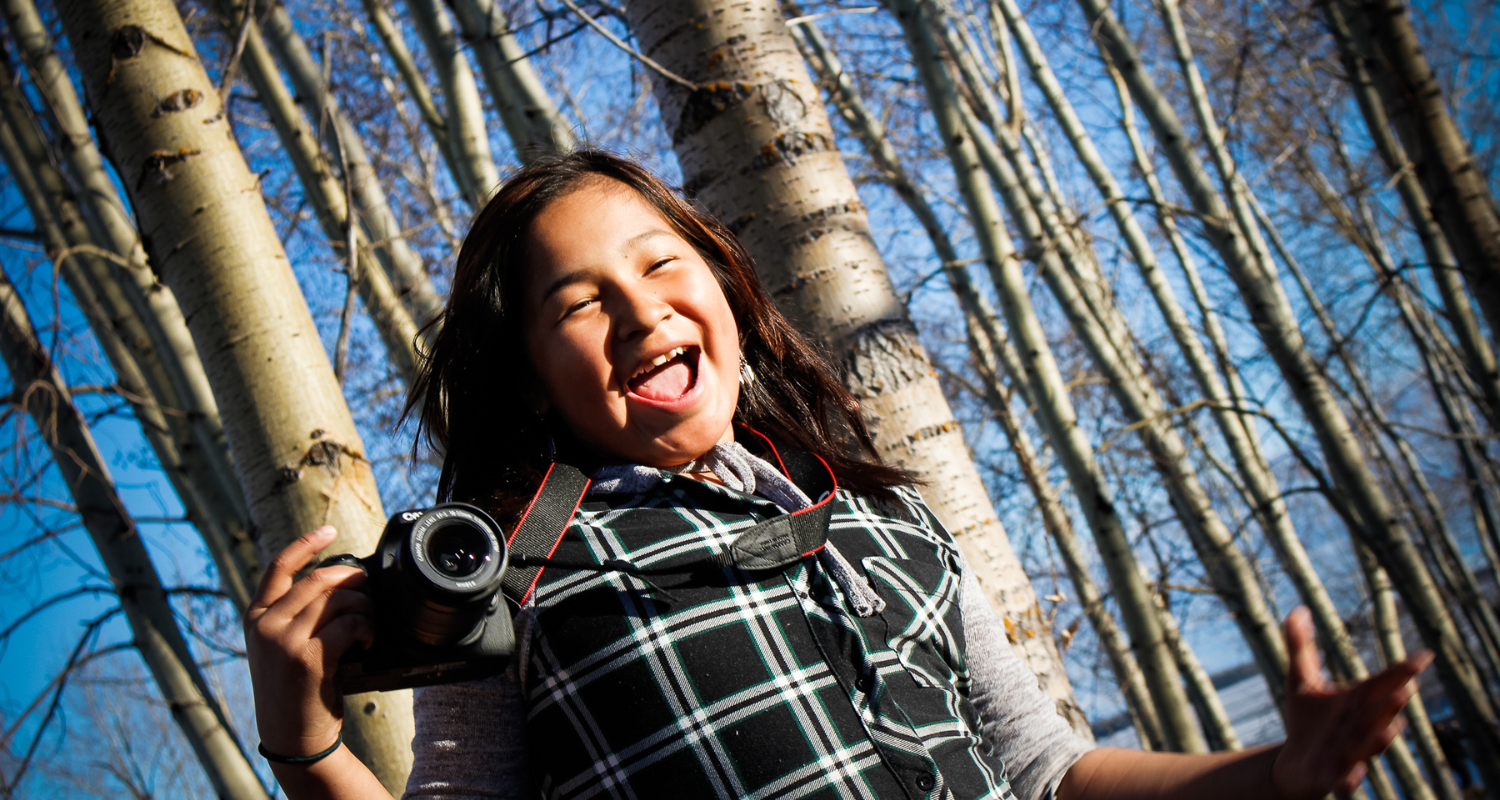
    girl with camera in northern Ontario first Nation Eabametoong

    “Article 3. Indigenous peoples have the right of self-determination. By virtue of that right they freely determine their political status and freely pursue their economic, social and cultural development.”

    United Nations Declaration on the Rights of Indigenous Peoples

    Indigenous Self-Determination

    Indigenous self-determination can be described as First Nations, Metis and Inuit people reclaiming an individual and collective autonomy of self: that Indigenous people will decide what is best for themselves outside of the colonial system they have been forced to operate in for centuries. 

    This means that the 634 First Nation communities and its members, the 53 Inuit communities that exist across the far north, and those belonging to Metis organizations, will pursue and shape their own governing bodies, policies, economies, education, and control of traditional territories. All of which have been affected by the creation and implementation of reserves, residential schools, and the Indian Act.

    In addition to section 35 of the Constitution Act of 1985 which lists ten principles that the government of Canada is committed to, Canada is also bound by international law, and is obligated to ensure that Indigenous self-determination is supported and encouraged by the Crown.

    Article 3 of the United Nations Declaration on the Rights of Indigenous Peoples (UNDRIP) states, “Indigenous peoples have the right of self-determination. By virtue of that right they freely determine their political status and freely pursue their economic, social and cultural development.”

    Article 4 of UNDRIP, states “Indigenous peoples, in exercising their right to self-determination, have the right to autonomy or self-government in matters relating to their internal and local affairs, as well as ways and means for financing their autonomous functions.”

    Despite the appearance that Canada upholds Indigenous self-determination, there are many significant and harmful ways in which the government continues to violate its own laws and promises. From crown-controlled funding to land seizures, from breaking Treaty obligations to purposely excluding or replacing language within documents in its own favour, the government generates ongoing impediments to Indigenous self-determination. 

    Reconciliation Today

    Canadians can support Indigenous self-determination within their own areas of influence. This includes but is not limited to, municipal and local organizations and businesses, workplaces and educational institutions.

    This requires Canadians to insist that conversations and decisions concerning policies, land use and community engagement include Indigenous community members’ knowledge, wisdom, and guidance. In collaboration with the Indigenous community, best practices can be established to achieve rich, inclusive, and safeguarded outcomes.

    Further, Canadians can help to ensure that Indigenous voices are present at provincial and federal levels, too. The commitment to Indigenous self-determination as a non-Indigenous person is an act of reconciliation that supports the Truth and Reconciliation Commission’s Call to Action 45 – 47. These Calls to Action demand that the government repudiate the Doctrine of Discovery, affirm nation-to-nation relationship between Indigenous people and the Crown, respect signed Treaties, and more. 

    See how True North Aid is supporting Self-Determination efforts in Canada by clicking here.

  • Reconciliation in Canada: The Future

    Reconciliation in Canada: The Future

    Reconciling the Term ‘Settler’

    by Katie Koopman | Reconciliation Program Coordinator 
    Photo below: Map courtesy of Grade 11 Woodbridge College student

    Student map of family's journey to Canada.

    Reconciliation in Canada is a tricky concept, especially when non-Indigenous people are challenged to take a deep dive into their own histories and explore terms like ‘colonialism’. No one wants to be associated with a system that has left an extensive and harmful impact upon others. The term ‘Settler’ is yet another word that many refuse to come to terms with. Why?

    Whether 1st or 10th generation non-Indigenous people have come to this land by choice or force, making us all settlers, a term that some people think is divisive. A term that some people feel undermines or perhaps dismisses their family’s history in Canada. However, the conversation is not about how long non-Indigenous people have lived in Canada, rather it being about our relationship and responsibility to it.

    However, using the word Settler does not intend to do any of these. In a spirit of reconciliation, it is simply a way to make sense of the non-Indigenous person’s relationship to this land, and to the people it first & still belongs to.

    True North Aid’s Reconciliation Program Coordinator, Katie Koopman, underpins this understanding in the 𝗦𝗲𝘁𝘁𝗹𝗲𝗿 𝗗𝗶𝘀𝗰𝘂𝘀𝘀𝗶𝗼𝗻 𝗦𝗲𝗿𝗶𝗲𝘀, a 4-part reconciliatory educational program that focuses on the topics of Privilege, Land, Residential Schools, and Allyship. From the classroom to the boardroom, virtually and in-person, hundreds of people have now participated since 2021.

    In April, Woodbridge College Grade 11 high school students applied this understanding in two self-reflexivity exercises that asked them to consider their own histories, including how and why their families came to Canada, and to reflect upon their own cultural or religious creation stories that have shaped their understanding of their relationship to land, and to each other.

    The students sketched out their personal experiences and were eager to share when asked to. In one class alone, students represent the countries of Afghanistan, Bulgaria, India, Iran, Pakistan, Poland, Singapore and Sri Lanka.

    The point of these exercises were to help students socially locate themselves in the wider conversation about Canada:
    – That this country is long defined by a single, Eurocentric worldview
    – That this country is made up of more than just one narrative, including their own
    – That our personal stories are not linear because humans and histories are complicated, as is non-Indigenous and Indigenous relationship in Canada.

    And so, the questions we reflected upon at the end of our time together was, for whatever reason, and however we each have come to live here on this land, as Settlers, how do we do better?

    Getting stuck on the length of time one’s family has lived in Canada only serves to justify or ‘one-up’ an argument, with no intention of committing to understanding Canada’s complex relationship between non-Indigenous and Indigenous people, and our responsibilities as citizens to collectively further reconciliation and social justice.

    Propelling Truth and Reconciliation forward in Canada challenges Canadians to socially locate ourselves and our histories. When we do so, we provide a foundation to engage others in a more nuanced and thoughtful conversation about terms that, at one time, we may not have acknowledged.

    *Image of book: 𝙏𝙧𝙪𝙩𝙝 𝙖𝙣𝙙 𝙍𝙚𝙘𝙤𝙣𝙘𝙞𝙡𝙞𝙖𝙩𝙞𝙤𝙣 𝙞𝙣 𝘾𝙖𝙣𝙖𝙙𝙞𝙖𝙣 𝙎𝙘𝙝𝙤𝙤𝙡𝙨 𝙗𝙮 𝙋𝙖𝙢𝙚𝙡𝙖 𝙍𝙤𝙨𝙚 𝙏𝙤𝙪𝙡𝙤𝙪𝙨𝙚

    Your Call to Action:

    Reflect upon your own family’s history, and the reasons and ways in which they settled in Canada. Was this recently, or long ago? What is the creation of your culture or religion? Were you raised with one? Do your know if your worldview, (your relationship to land and/or connection to your creation story) compliment or contradict an Indigenous worldview?
    [dt_gallery_masonry bwb_columns=”desktop:1|h_tablet:1|v_tablet:1|phone:1″ image_border_radius=”0px” project_icon_color=”#ffffff” project_icon_border_width=”0px” include=”53155,53162,53164,53163,53156″]
  • Reconciliation in Canada

    Reconciliation in Canada

    Reconciliation In Canada

    “We have described for you a mountain. We have shown you the path to the top. We call upon you to do the climbing.” – Honorable Senator Murray Sinclair

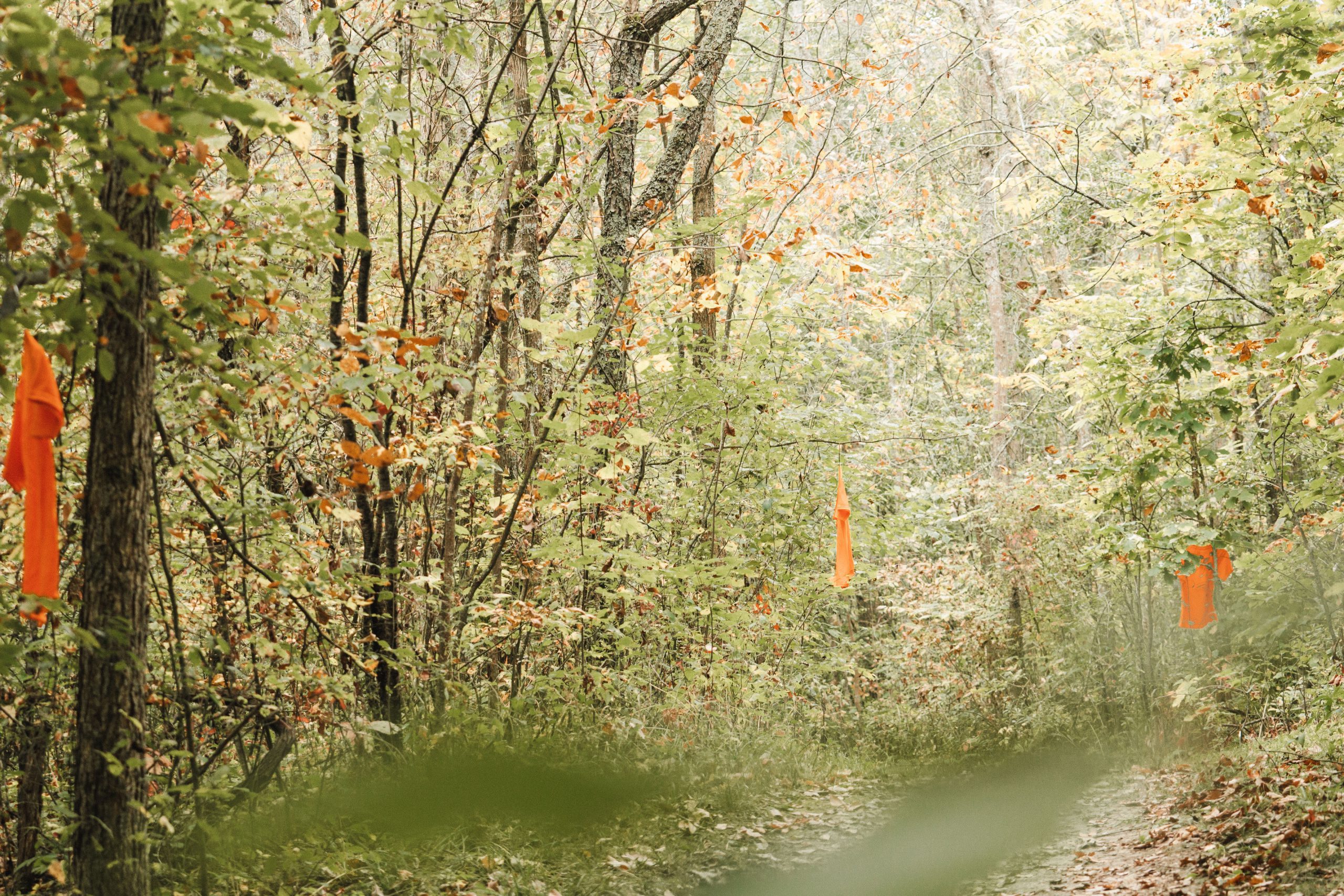
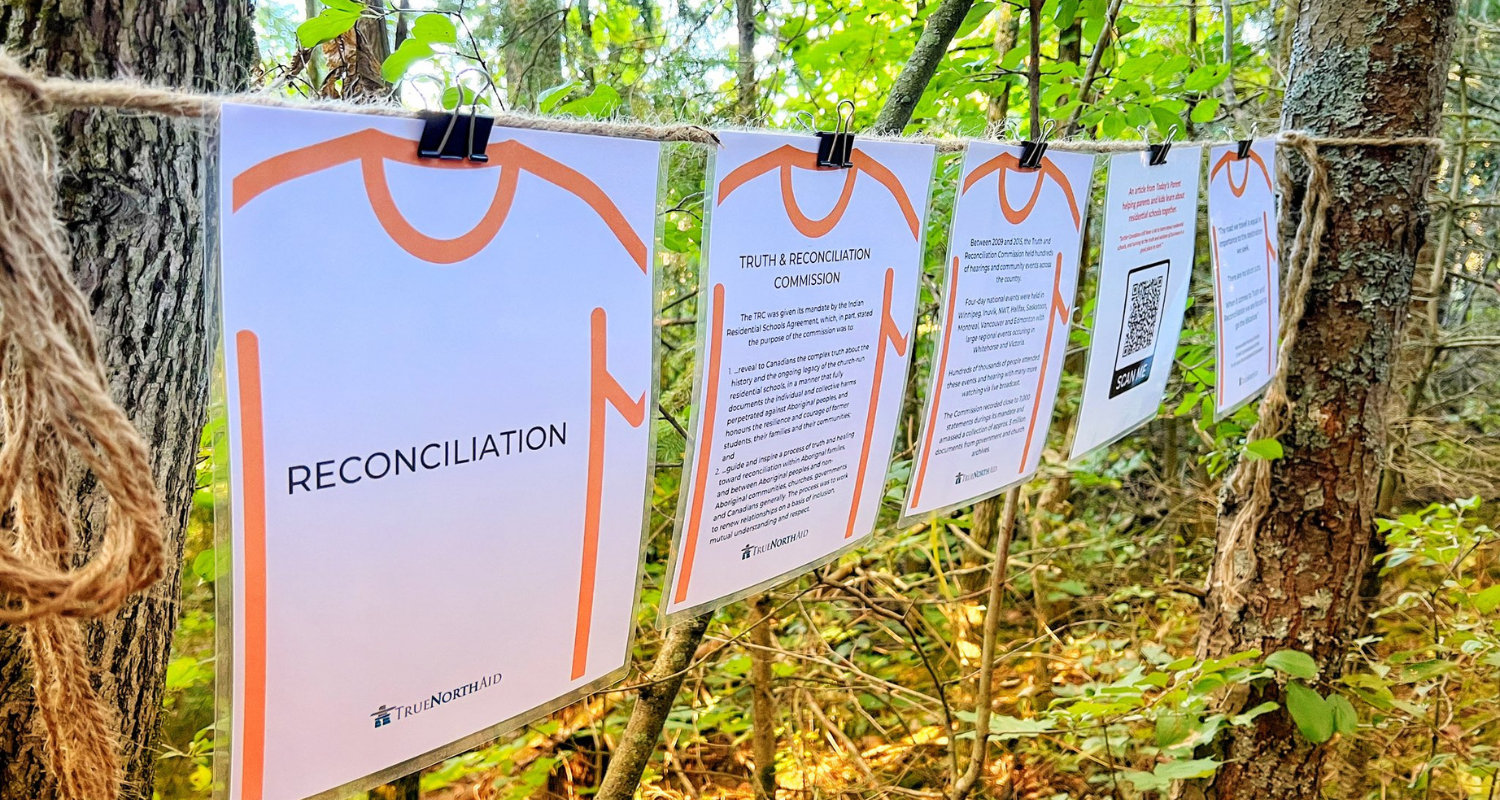
    information on pages hung up on a string in a forest

    Reconciliation: building a renewed relationship with Indigenous Peoples based on the recognition of rights, respect and partnership.

    A History of Reconciliation in Canada

    Conversation regarding repairing non-Indigenous and Indigenous relationships in Canada was first initiated in 1998, when the Canadian federal government responded to the Royal Commission on Aboriginal Peoples(1996) report with their own, called Gathering Strength: Canada’s Aboriginal Action Plan. This action plan addressed the government’s role in creating and implementing residential schools and included a Statement of Reconciliation. Prime Minister Stephen Harper issued an official government apology for residential schools 11 years later, in 2008.

    During this time, Canada’s largest class action settlement emerged, the Indian Residential Schools Settlement Agreement (IRSSA). This settlement acknowledged the harmful legacy of residential schools impacting Indigenous people, and established a multi-billion dollar recompense to assist former students with healing. The IRSSA also set aside money to establish the Truth and Reconciliation Commission (TRC), an advisory body tasked with giving voice to more than 6,000 Indigenous residential school survivors over a five-year period. This was accomplished by raising public awareness through national events in major cities and collecting personal testimonies into a historical document. 

    The TRC presented its findings in a series of reports in June 2015, with a final report, Honouring the Truth, Reconciling for the Future, released in December 2015. In addition, the TRC’s 94 Calls to Action offered policy recommendations in specific areas challenging the government to not just make amends, but ensure that systems will be established so that these atrocities will never happen again.

    According to the Yellowhead Institute’s Calls to Action Accountability: A 2023 Status Update on Reconciliation (Jewell and Mosby, 2023), “Zero Calls to Action were completed in 2023. Eight years since the release of the 94 Calls to Action, 81 Calls remain unfulfilled.”

    In the short time we have been annually observing Canada’s record on its supposed progress, we’ve held the tension of the promise of reconciliation with the actual reality – exacerbated by the deep chasm between the two and frustrated by the discrepancy between inaction and Canada’s fantastical myths of benevolence.

    Eva Jewell and Ian Mosby

    Reconciliation Today

    Although the reconciliation conversation was pursued first between Indigenous peoples and the Canadian government, the word ‘reconciliation’ has become a broader grassroots invitation extended by Indigenous communities to the wider public. Individuals, families, schools, organizations, and businesses are also invited to learn about the truth about Canada’s history and its lasting, harmful legacy.

    It is important to note that reconciliation is not for Indigenous people. Indigenous people have nothing to reconcile with a system that created and implemented racist policies and intentional harm against them. Reconciliation is, however, for non-Indigenous people. It is an opportunity for older generations to learn the history they were never made aware of, and it is an opportunity for younger generations to learn about and normalize living history. 

    Reconciliatory education does not focus solely on the history of residential schools. It requires Canadians to look at the bigger picture that is colonization. Broken treaties, land disputes and inequitable socio-economic circumstances originate from and are perpetuated by colonial racist policies and embedded discriminatory attitudes. Consequently, colonization is a centuries old system that continues to benefit some over others, in particular, it benefits those who have white, European, Christian backgrounds.

    While non-Indigenous individuals might feel attacked or removed from this truth for various reasons, this does not change the fact that this system must be changed and that we all have the power to do so. Reconciliation, therefore, becomes a collective responsibility to move forward in justice and effect change in our areas of influence.

    See how True North Aid is supporting Reconciliation efforts in Canada by clicking here.

    Important Calendar Dates

    [dt_vc_list]February 14 – Memorial March for MMIWG

    May 5 – Red Dress Day (National Day for Awareness of Missing and Murdered Indigenous, Women and Girls)

    June – National Indigenous History Month

    June 21 – National Indigenous Peoples Day

    September 30th – Orange Shirt Day (National Day for Truth and Reconciliation)

    October 4 – Sisters in Spirit Day 

    November – Indigenous Education Month

    November – (first week) Treaties Week

    November 8 – Indigenous Veterans Day

    November 16 – Louis Riel Day[/dt_vc_list]

  • Indigenous Education

    Indigenous Education

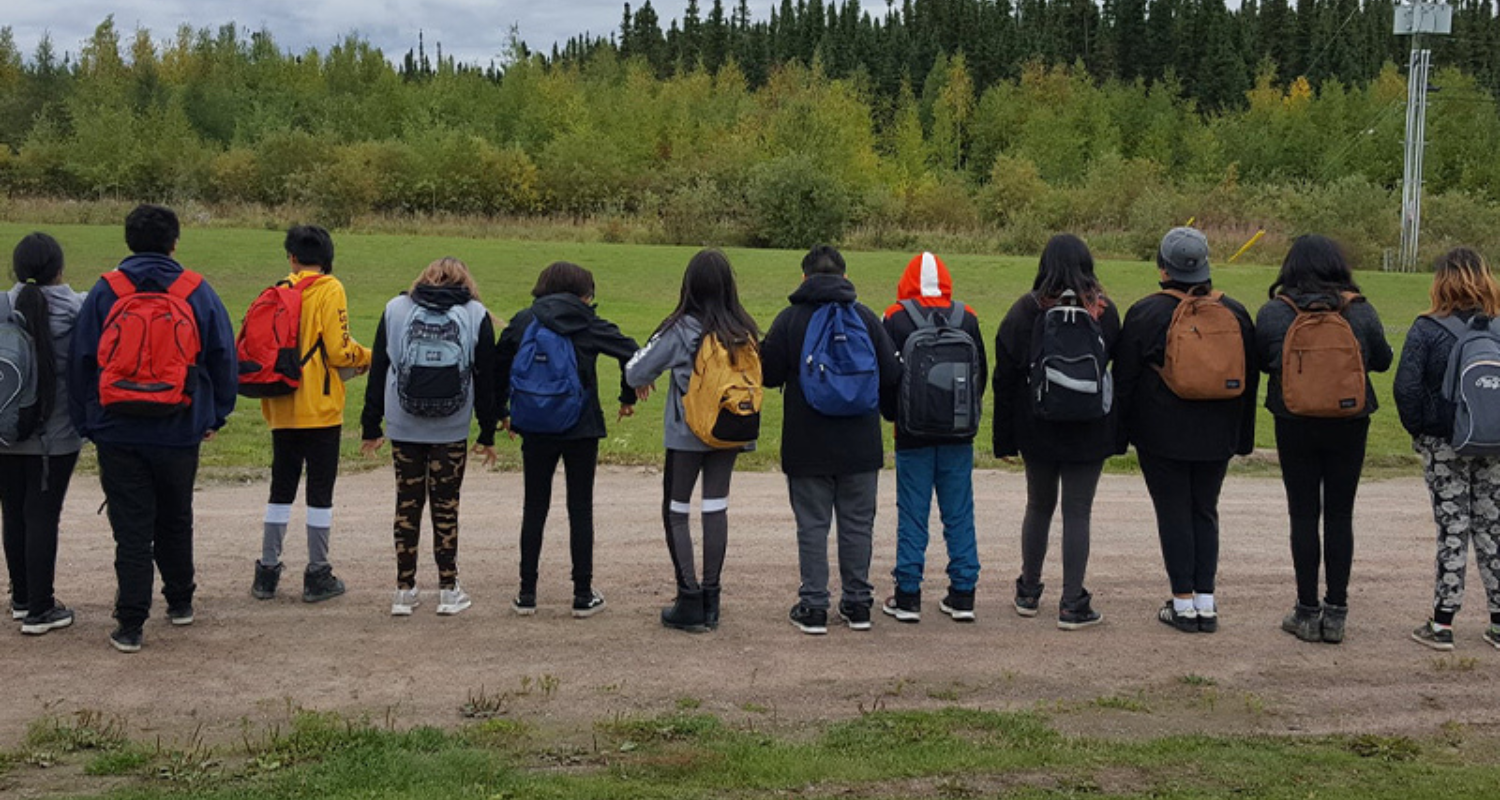
    students with their backs facing camera, wearing their backpacks

    Education is a federally funded responsibility in northern and remote Indigenous reserves, whereas it is a provincial responsibility across Canada. This has created an inequitable and complicated two-tier education system in which Indigenous children continue to be left behind mainly due to accessibility. 

    According to the Assembly of First Nations—First Nations Education Infrastructure Capital Needs Assessment, 2020, there are 526 First Nations schools across Canada, and $2.14 billion is required for new school construction and additions. Of these, 28% (or 140) are overcrowded. Further, 46 of the 526 First Nations schools required immediate replacement based on their age or poor condition.

    The good news is that the government has made a significant attempt to invest in Indigenous education and infrastructure in the last ten years, and certainly, it has increased within the last three years. However, this investment is making up for decades of inadequate funding, and it remains a fact that many other social determinants affecting Indigenous education outcomes must also be addressed and acted upon.

    Some of these social determinants include:

    [dt_vc_list dividers=”false”]

    • Lack of programming for special needs students
    • Lack of teacher retainment due to money constraints and lack of accommodations
    • Water supply issues 
    • Mental health issues
    • Secondary school accessibility (many northern and remote reserves do not have a high school, and students, therefore, must billet with family, friends or host parents unknown to them to access a high school education in the nearest urban center.)

    [/dt_vc_list]

    Yet, as the article Indigenous education can and must be fixed admits, government money will not solve the whole issue, and that there must be a ‘reinvention’ of Indigenous education by Indigenous communities themselves to move toward self-determination. Indigenous education must be rooted in culture and language programs in order for this to happen, and there are many emerging programs across Canada that are doing so.

    True North Aid commits to supporting Indigenous education through our Education Stone of Support. Learn more here.

    Residential Schools

    The Indian Act’s main purpose was to displace Indigenous people onto reserves or into residential schools. Notably, while the Indian Act granted the education of First Nations groups a federal responsibility, governance concerning Indigenous education was not included. This omission proves that it was never the intention of the government to ensure educational parity between non-Indigenous and Indigenous children.

    Residential schools were underfunded, understaffed, and often overcrowded. The education Indigenous children did receive was often not taught beyond grade three due to the minimal or non-existent teaching qualifications of the religious order, whose main focus was religious instruction. Most of the day was spent by students completing the physical and domestic chores to keep the schools running at a minimal cost to the government.

    The residential school system began with a modest budget of $44,000 a year in 1883.

    This money, however, mostly came from cuts to government spending on other Indigenous community needs. Thus, the system’s funding was marked by the reluctance of the government to invest in the program. Not long after the residential school system emerged, critics began to denounce its economic utility, its care for student health, its limited academic success,

    and its failure to create a cadre of young “assimilated Indians.”

    Facing History & Ourselves, “Historical Background: The Indian Act and the Indian Residential Schools”, 2019.

    Residential school survivors recall how malnutrition, unsanitary conditions and poor medical care led to outbreaks of diseases, including tuberculosis and flu epidemics. Many also recall the heartbreaking experiences of abuse that they experienced or witnessed.

    The misleading intention of the federal government to assimilate Indigenous children through a Eurocentric educational model began to prove inadequate. This was substantiated by the fact many residential schools were in disrepair, and an investment in restoring the conditions of the buildings was not a priority of the government. Thus, the commitment to phase out residential schools began in the 1940s and was slow, with the last residential school closing 58 years later in 1998. 

  • Indigenous Culture

    Indigenous Culture

    Our language and culture is the window through which we see the world – Paul Disain, Dene Elder

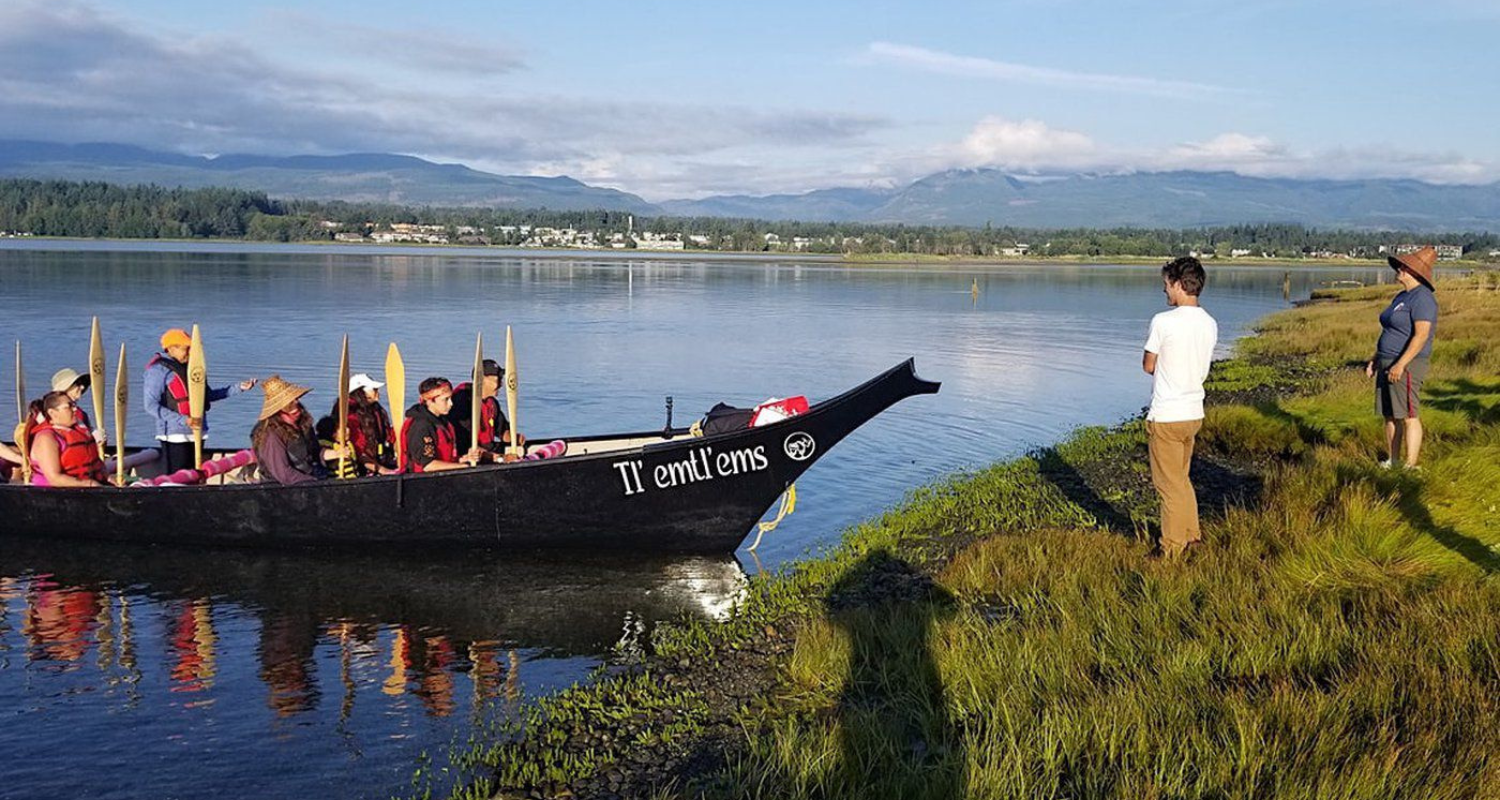
    a large canoe labelled Tlemtlems on a tribal journey in British Columbia

    There are three categories of Indigenous people in Canada: First Nations, Inuit, and Métis. Within these categories, there are distinct traditions, teachings, creation stories, governing practices, and languages. 

    In the 2021 census by Statistics Canada, over 1.8 million people in Canada identified as Indigenous, making up 5 percent of the national population. (Parrott and Filice, 2023)

    Over 630 First Nations communities in Canada represent more than 50 Nations and 50 Indigenous languages.

    There are 53 Inuit communities encompass 35 percent of Canada’s land mass and 50 percent of its shoreline. These communities are situated in four regions across northern Canada: the Inuvialuit Settlement Region (northern Northwest Territories), Nunavut, Nunavik (northern Quebec) and Nunatsiavut (northern Labrador). Together, these are called the Inuit Nunangat region.

    Approximately 624,220 people in Canada self-identify as Métis. According to the 2021 Census, one-third of this number claims Métis identity within a Métis organization or settlement. (Gaudry, et al., 2023.)

    Canada made great attempts to erase Indigenous culture through the creation and implementation of the residential school and reserve systems, which forced Indigenous children to assume a Eurocentric Christian culture by anglicizing Indigenous names, punishing those who spoke their traditional language, and forbidding cultural practices.  

    Despite these attempts, Indigenous people continue to act resiliently today, reclaiming what is rightfully theirs. This includes initiating community-led projects and programs that involve healing practices, traditional language education, food sovereignty initiatives, and land acquisition.

    Therefore, it is more important than ever for Canadians to affirm, respect, and learn about the diversity of Indigenous nations from coast to coast and to support Indigenous reclamation efforts where possible.

    True North Aid is proud to support cultural initiatives across Canada through our Community Initiatives Programs. 

    Learn More

    • Jeremy Dutcher is a classically trained musician and is a Wolastoqiyik member of Tobique First Nation in New Brunswick, Canada. He is one of less than a thousand people in his community who speaks their traditional language. Find out how Jeremy has reclaimed his traditional language through music here. 
    • The Ribbon Skirt Project: “…reaffirming what we know ourselves to be.”

  • Indigenous Health in Canada

    Indigenous Health in Canada

    nursing station with bright colors in Fort Hope Ontario

    From material circumstances (housing standards, access to necessities, safety) to psychosocial components (isolation, access to social services support), from health behaviours to genetic predispositions, the overall well-being of First Nations, Inuit, and Metis people continue to be affected by an inequitable parallel health system in Canada.

    The World Health Organization (WHO) lists the following as social determinants of health:

    [dt_vc_list dividers=”false”]

    • Income and social protection
    • Education
    • Unemployment and job insecurity
    • Working life conditions
    • Food insecurity
    • Housing, basic amenities and the environment
    • Early childhood development
    • Social inclusion and non-discrimination
    • Structural conflict
    • Access to affordable health services of decent quality

    [/dt_vc_list]

    These determinants of health provide a framework by which to understand health outcomes of groups of people. For instance, life expectancy for Inuit is a decade less than the Canadian average. Why is this so? 

    [dt_vc_list dividers=”false”]

    • The rates of tuberculosis in Canada are highest among Inuit with a rate over 300 times that of the Canadian-born non-Indigenous population.
    • A recent report prepared for the Nunavik Regional Board of Health and Social Services (NRBHSS) indicated a 300% increase in suicides between 2014 and 2018, and 84% of these deaths were young Inuit males under the age of 25 (Séguin, Chawky, & Affleck, 2019).
    • Total fetal and infant mortality in the Inuit-inhabited areas was 2.66 times that in the rest of Canada. Inuit-inhabited areas had substantially higher rates of stillbirth and infant, neonatal and postneonatal death. (Luo, Senecal, Simonet, Guimond, Penney, & Wilkins, 2010). 
    • the cost to operate a comfortable temperature indoors can cost up $57 per day in Nunatsiavut or up to $500 per week in Rankin Inlet, Nunavut 
    • Federal housing advocate Marie-Josee Houle reports that the hamlet of Pangnirtung, Nunavut (population 1,500), “…hasn’t seen a new build in a decade. A single wait-list for public housing included 120 families as of March 2022, some of which had been on the list for more than 10 years.” (Passafiume, 2023).

    [/dt_vc_list]

    While positive efforts continue to be made to undo a harmful colonial legacy, a study of Indigenous physician access in Canada between 2017-2020, funded by Indigenous Services Canada, confirmed that “Remoteness and economic deprivation” (Yangzom, Masoud & Hahmann, 2023) contribute to the inequitable disparity in accessing a regular healthcare physician.  

    True North Aid commits to addressing the harmful effects of historical and present-day health inequities by supporting Indigenous-led health initiatives in various practical, holistic ways at the request of the communities themselves. Learn how.

    chart describing the process Indigenous communites go through to access health care in Canada
    Current Set up of Health Care in Indigenous Communities in Canada

    History of Indigenous Health in Canada

    Social, economic and political factors are key to understanding the many and varied social determinants of health among Indigenous populations in Canada. These factors are rooted in historical, colonial systems of governance and unfair public policies (or lack thereof), all influencing the social and physical conditions that Indigenous people are born into.


    Prior to contact, Indigenous communities practiced holistic and diverse methods of healing unique to each nation, which were often determined by local plants and animals. Settler colonization not only brought contagious diseases which depleted Indigenous communities but also persistent and evasive authority over Indigenous lives, thereby separating Indigenous people from their traditional medicinal practices.


    The displacement of Indigenous people through the establishment of residential schools and the creation of reserves, and the perpetual underfunding of each, testify to the government’s long-term intention and unwillingness to invest in Indigenous wellbeing from pre-Confederation until the present day. This is evident in the 1872 charge by the Chief and Council of Peguis First Nation in Manitoba, which condemned the Crown’s reluctance to provide healthcare items and services, a responsibility of the Crown as stipulated in Treaty 1


    In addition to the Peguis First Nation’s protest, an excerpt from the Canadian Encyclopedia on Indigenous Health states, “Amendments to the Indian Act in the late 19th and early 20th centuries criminalized and prohibited Indigenous healing practices. These laws, combined with poor living conditions, poverty, racism, loss of land and declining access to food resources, had devastating consequences on the health of Indigenous Peoples.”


    Healthcare for Indigenous people in Canada in the decades that followed continued to be both negligent and oppressive. The creation of Indian hospitals between the late 1930s and 1980s and the nutritional experimentation on Indigenous children between 1942 and 1952 are evidence that the intention of the Crown was never to uphold their Treaty agreement. 


    In 1969, Harold Cardinal, a Cree political leader, responded to Canada’s new Health Plan for Indian Health Services, saying it was a violation of Treaty rights to pass jurisdiction to the provinces, which would force Indigenous people to pay health premiums to them. Cardinal and Alberta Chiefs further pressured the Canadian government to honour all Treaties, challenging the government to maintain its promise of providing medicine and services. 


    References:

    https://www.canada.ca/en/public-health/services/publications/science-research-data/key-health-inequalities-canada-national-portrait-executive-summary.html

    https://www.thecanadianencyclopedia.ca/en/article/aboriginal-people-health

    Indigenous Health in the 21st Century

    It is important to remember that while Canada’s Constitution Act of 1867 determined each province to be responsible for managing hospitals and the healthcare system, Indigenous healthcare was the responsibility of the federal government as per the Indian Act of 1876. 


    In 1979, David Crombie, the Minister of Health and Welfare at the time, proposed the Indian Health Policy. It was just over two pages in length but suggested a “new era of recognition in health policy-making” (Kelly, 2011; O’Neil, 1995; Castellano, 1999) while simultaneously strengthening the federal government’s commitment to First Nations health.


    The Indian Health Policy has provided the foundation for both the First Nations Inuit Health Branch (FNIHB) and the Non‐Insured Health Benefits Program (NIHB). This is a subsidiary health insurance program for Status First Nations registered under the 1876 Indian Act, and Inuit recognized by an Inuit land claim organization (Indigenous Services Canada, 2021b; Moeller, 2013; Health Canada, 2012). The FNIHB is a program sector of Indigenous Services Canada, responsible for funding, planning, and delivering health services to status First Nations and Inuit communities (Indigenous Services Canada, 2021b).


    A 10-year plan to improve Indigenous health was co-developed with Indigenous representative organizations and the federal government, provinces, and territories and written into the 2004 Health Accord. Still, it expired in 2014 and has not been replaced.


    With the Canadian government controlling Indigenous livelihoods and well-being at a federal level, most funding and services at a socioeconomic level, including healthcare, are provincial responsibilities. This reality has produced a convoluted system in which Indigenous people continue to be failed and forgotten. 


    References:

    https://www.researchgate.net/publication/369070792_Appraising_Canada%27s_1979_Indian_Health_Policy_Informing_co-development_of_distinctions-based_Indigenous_health_legislationhttps://yellowheadinstitute.org/2021/02/04/the-failure-of-federal-indigenous-healthcare-policy-in-canada/#:~:text=The%202004%20Health%20Accord%20between,promises%20from%20the%20Liberal%20government.


    Indigenous health services often hampered by legislative confusion

  • Indigenous Food Security

    Indigenous Food Security

    “Food is a manifestation of community and connectedness.” – Jess Hausti (Land-based educator)

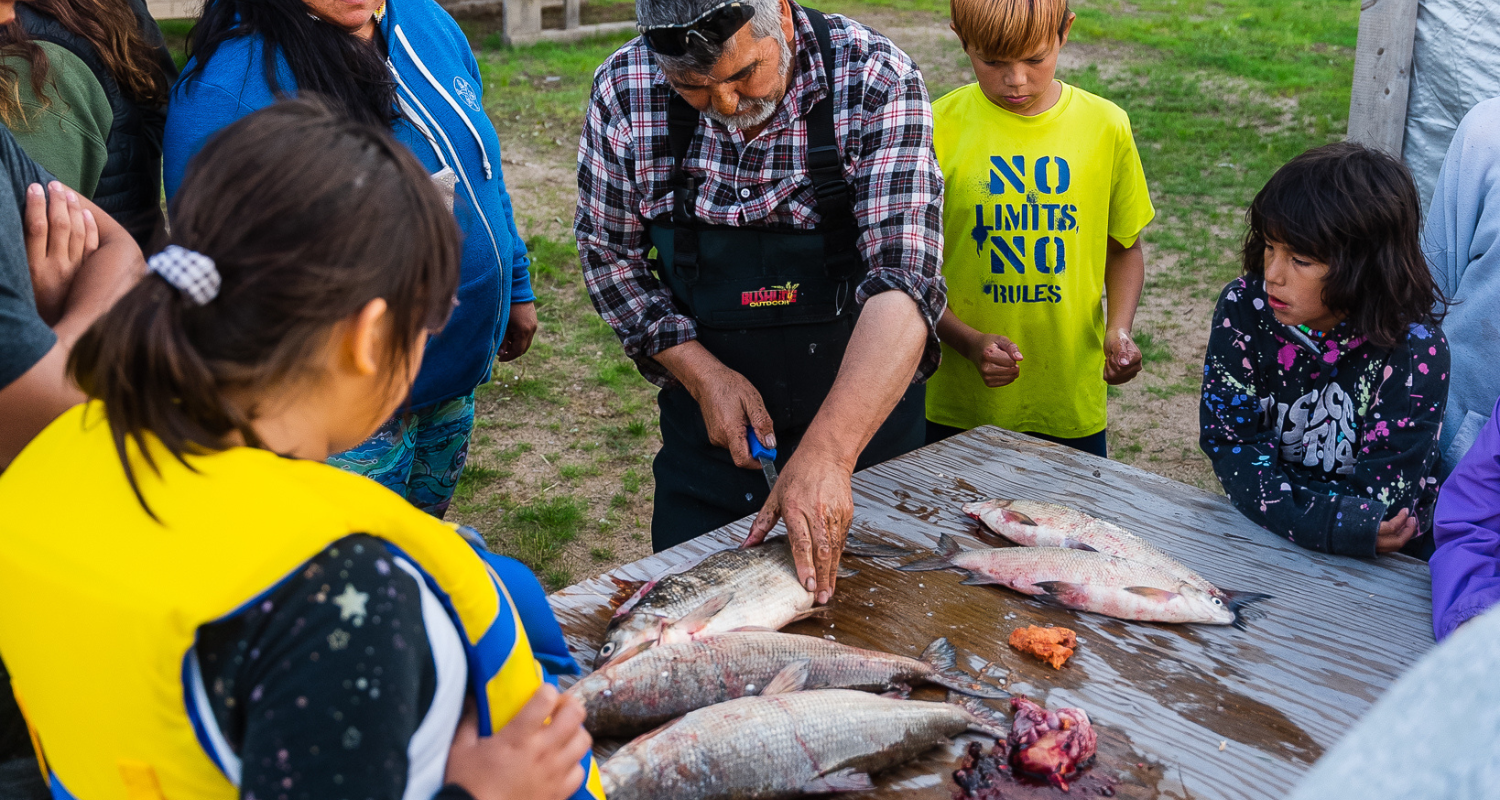
    cutting fish in front of students in saskatchewan

    Food brings comfort and stirs memory, encourages well-being, and drives tradition. It sustains income and ensures survival. 

    A food-secure community engages in food production, can generate a livelihood from food, offers opportunities to rebuild traditional food skills, and has full access to the land to carry out all of these. In Canada, Indigenous food security has been interfered with, even destroyed by colonization. Examples of how this has happened over hundreds of years include:

    [dt_vc_list dividers=”false”]

    • Separating Indigenous people from their historic food systems through geographical relocation and the creation of reserves and residential schools
    • Bartering Indigenous knowledge and wares for non-traditional Western foods that are highly processed
    • The forced exchange of life-sustaining gardens and hunting grounds for farmland,  livestock, and money.
    • The collapse of bison herds and other food sources forcing Indigenous people to rely on government assistance for their wellbeing including access to and obtaining food.
    • Government control over First Nations, Inuit, and Métis food cultures like the Indian Act and the the banning of potlatch ceremonies, and prohibiting First Nations purchasing or gifting of ammunition 
    • Introducing complicated laws and policies that to this day that break treaty promises of land use, affecting ways of sourcing food 

    [/dt_vc_list]

    Today, food insecurity disproportionately affects Indigenous people for several reasons, these include:

    [dt_vc_list dividers=”false”]

    • Living in northern and remote regions of Canada whereby food arrives by plane, truck (if there are year round or winter roads), or by barge.
    • Transportation of food and recent inflation increases costs in northern and remote communities by as much as 20% (El Gharib, 2022)
    • The quality of fresh food that arrives in remote communities is often poor due to travel time
    • The final report of the 10-year study, First Nations Food, Nutrition and Environment Study found that rates of obesity and diabetes are higher among First Nations adults compared to the general Canadian population, and 48% have difficulty putting enough food on the table. The report also comments on how industry, pollution, and climate change have affected harvesting traditional food
    • Government interference with modern Indigenous livelihoods, including the fishing industry

    [/dt_vc_list]

    Reclaiming Indigenous Food Traditions

    “Our community knows what it needs to thrive”

            Jess Hausti (Land-based educator)

    A webinar hosted by The Narwhal in November 2023 focused on Indigenous food security. A panel of Indigenous knowledge keepers and land-based educators shared a variety of suggestions in which Indigenous people can reclaim Indigenous food traditions:

    • Post-secondary institutions offer broad agriculture structures; however, offering agriculture competencies through short courses would better build community capacity
    • Regarding how to support Indigenous food-related initiatives, communities must be asked how they want to be supported.
    • Best practices first begin with small steps
    • Community members must champion any large-scale food project with a sustainable vision 
    • Any food project must include best practices that not only seek input from community members but also seek to keep everyone informed, engaged, empowered, connected, and protected.

    By reclaiming traditional food systems, Indigenous people across Canada begin to self-determine their cultural identities and health

    True North Aid seeks to fund projects that support traditional food systems, implement the above, and fund other food initiatives that bring relief to Indigenous people living in northern and remote communities.

    References

    • https://www.globalcitizen.org/en/content/why-food-is-so-expensive-on-first-nations-reserves/
    • https://canadianfeedthechildren.ca/the-feed/food-prices-2022/
    • https://globalnews.ca/news/6136161/first-nations-food-insecurity-study/
    • H̓áust̓i, J. Middle Initial., McNeil, T., Wood, S. (2023, November 22). What does First Nations food sovereignty look like in the face of climate change? [Webinar]. The Narwhal. https://www.youtube.com/watch?v=mAATd-oGsJM